
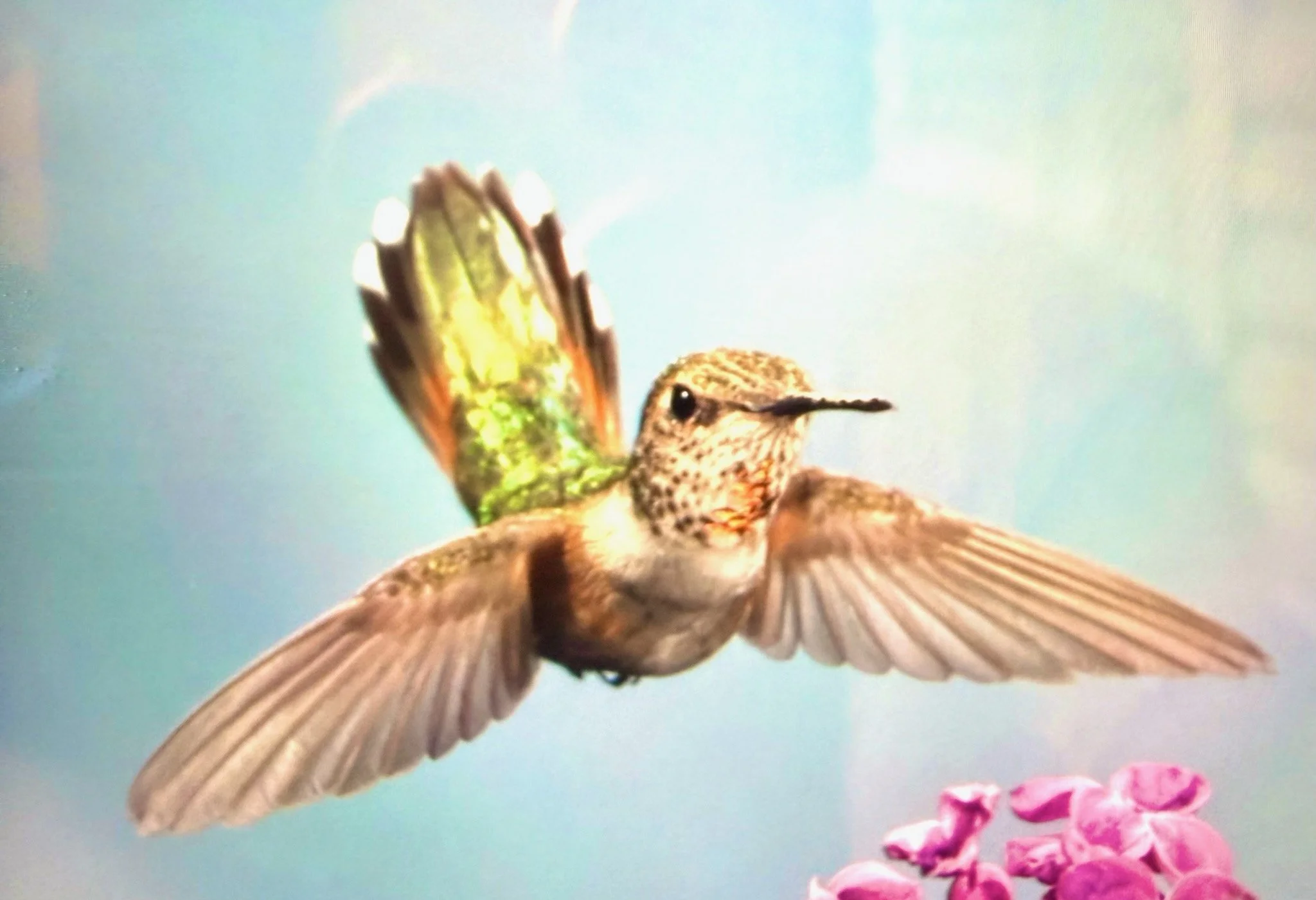
Hummingbirds vs. GPS: A Lesson in Navigation
Follow a humorous mountain road trip as hummingbirds outsmart modern GPS, reminding travelers that nature still knows best.
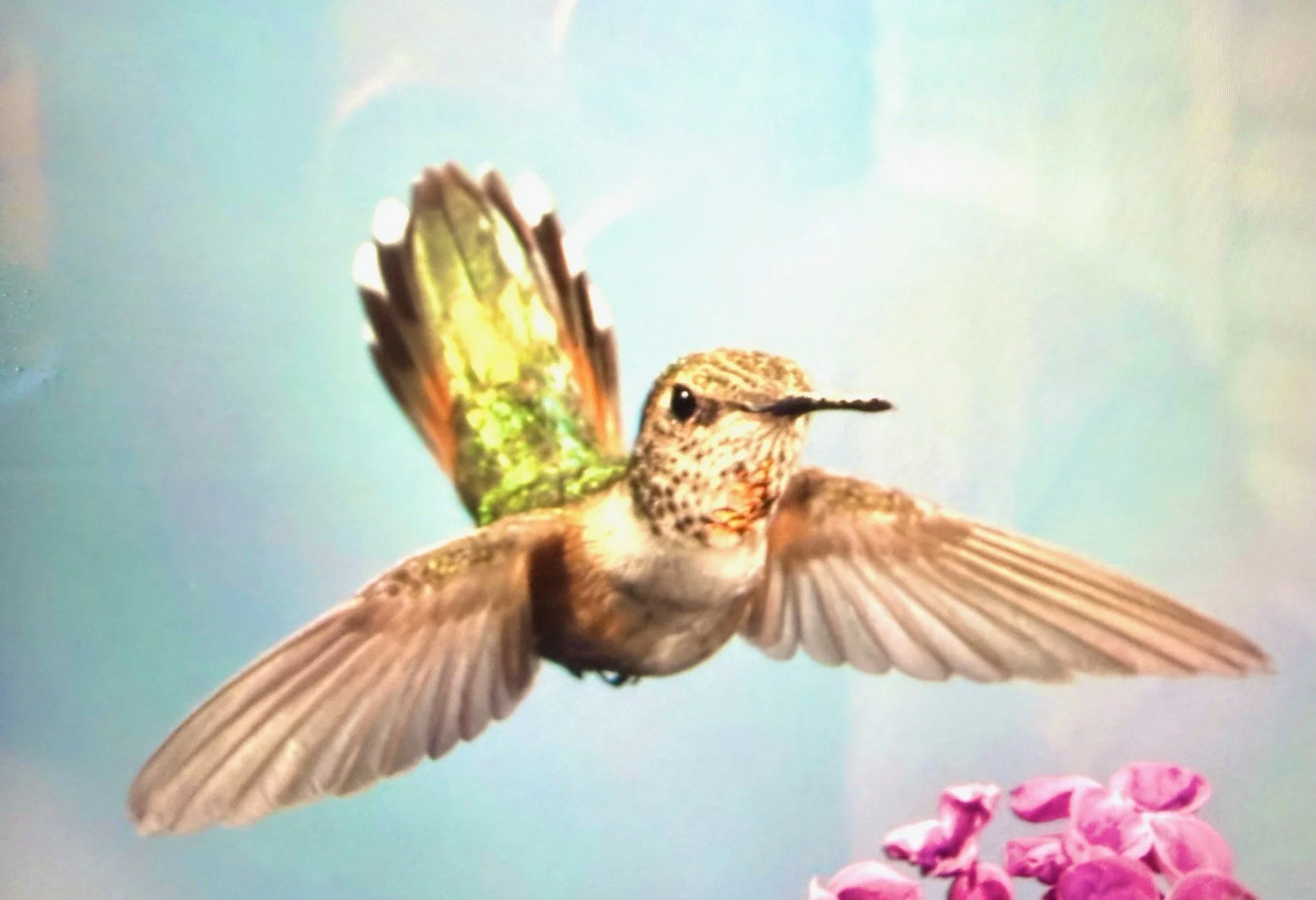
Hummingbird vs. GPS
Every spring, hummingbirds embark on one of nature's most remarkable journeys, traveling thousands of miles from Mexico to the lush landscapes of British Columbia. These tiny avian adventurers possess an internal navigation system so precise that even our most sophisticated technology seems primitive by comparison.
Meanwhile, I decided to make part of a similar journey from Montana, armed with my trusty car GPS and an abundance of confidence.
As I drove north beneath wide western skies, hummingbirds flitted effortlessly overhead, darting through the air with the precision of seasoned travelers. Their route seemed etched into the very fabric of nature, guided by instincts refined over countless migrations.
My GPS, however, had other ideas.
The trip began smoothly enough, but deep in the mountains my electronic guide started losing its grip on reality.
"Turn left at the next pine tree," it seemed to suggest—as though forests came equipped with neatly labeled intersections.
Meanwhile, the hummingbirds zipped by overhead, likely shaking their tiny heads at my predicament.
With road signs becoming increasingly scarce, I soon found myself navigating a maze of winding mountain roads. "Recalculating," my GPS chirped with what sounded suspiciously like digital panic.
I could almost hear the hummingbirds laughing.
Their wings blurred in the sunlight as they sailed effortlessly above valleys and ridgelines, while I searched desperately for a signal bar.
Eventually, I pulled over and consulted my phone, which proved to be as lost as I was. The screen displayed nothing more than a blank map and the dreaded spinning wheel of doom.
At that moment, I remembered the neglected road atlas buried beneath a pile of snack wrappers.
There, spread across paper pages filled with colorful lines and reassuring certainty, was my route. As I traced the roads with my finger, the hummingbirds continued their journey overhead, utterly unfazed by mountains, valleys, or the absence of cellular service.
Eventually, I reached British Columbia—a little wiser and considerably more humbled. The hummingbirds had undoubtedly arrived long before me, settling gracefully into their seasonal home without ever needing to "recalculate."
The lesson?
Technology is wonderful—until it isn't. In the mountains, where signals fade and roads twist unexpectedly, a trusty paper map still has its place.
And perhaps the hummingbirds have been quietly reminding us all along that sometimes the best navigation system is the one nature provides.
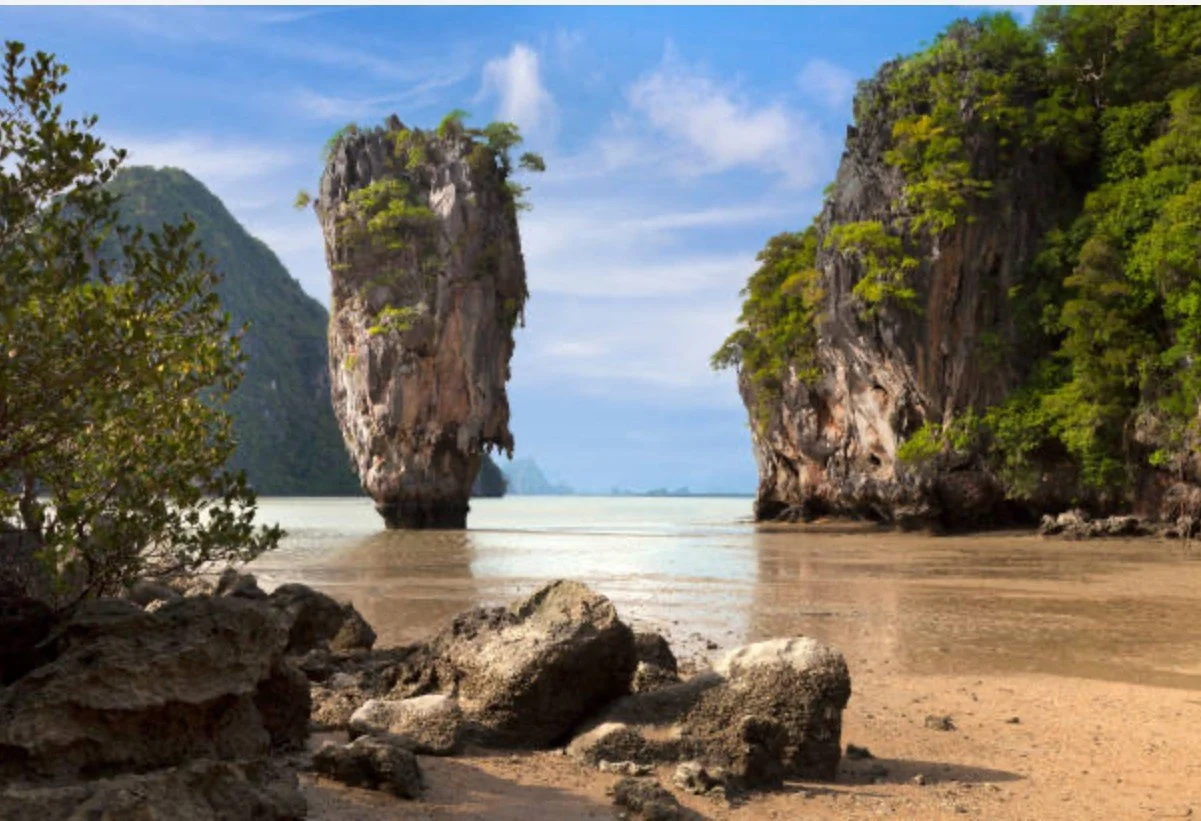
Why Pre-Travel Preparation Matters: A Real-World Lesson from Southeast Asia
A physician’s real-world experience traveling through Southeast Asia highlights why pre-travel consultations, vaccinations, and emergency medical kits matter.
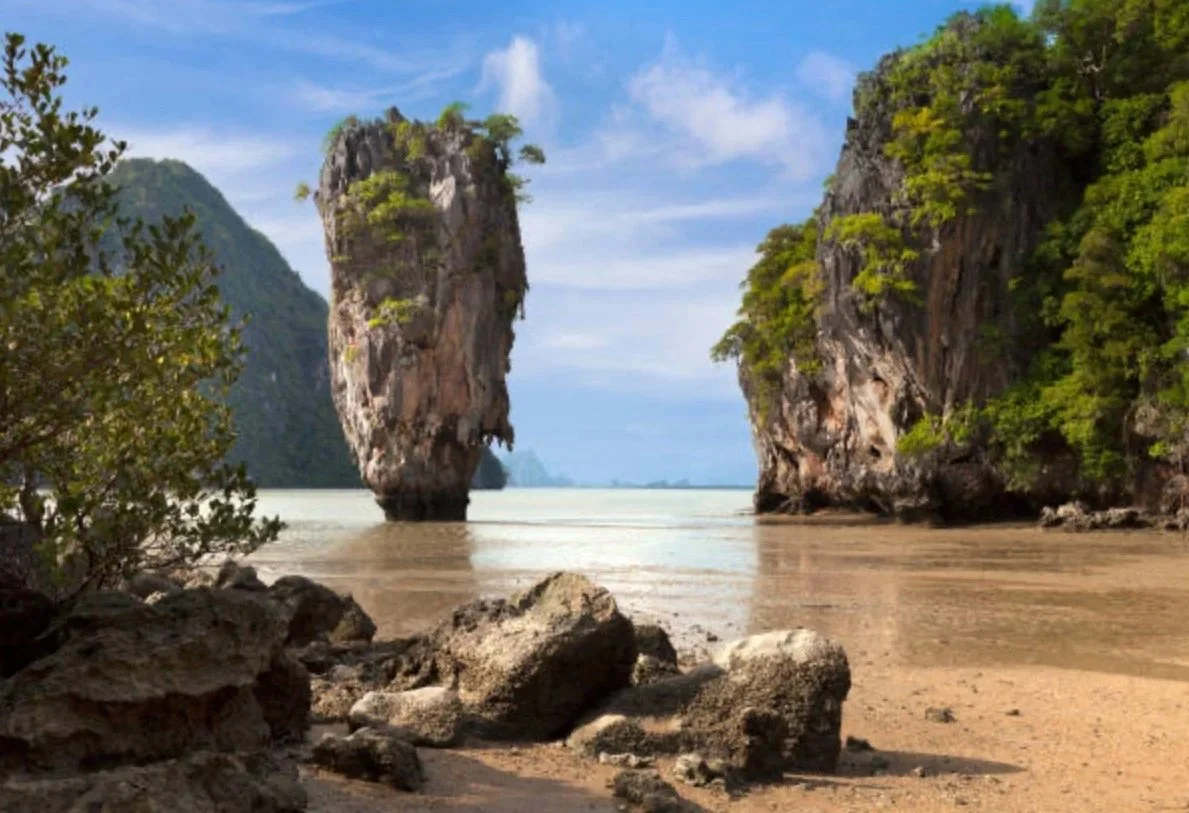
Traveling Through Southeast Asia: Why Pre-Travel Preparation Matters
We decided to travel through Southeast Asia, flying from San Francisco to Singapore, Thailand, Laos, Vietnam, and Cambodia. Prior to departure, we completed a Pre-Travel Consultation with TravelingMD.com to ensure our vaccinations were fully up to date. During this visit, we reviewed recommended Travel Vaccines based on our itinerary and planned activities. We received influenza, RSV, typhoid, and Japanese encephalitis vaccinations—leaving us well prepared for the journey ahead.
As part of our preparation, we also completed a Travel Safety Kit Consultation to assemble a personalized emergency medical kit, including essential prescriptions we might need while abroad.
An Unexpected Dental Issue Abroad
Soon after landing in Singapore following a smooth 15-hour flight on Singapore Airlines, we arrived safely at this impressive airport. While waiting for our connecting flight to Thailand, I began experiencing pain in my left upper molar, along with increasing pressure in my frontal sinus. With no dentist available, I reached into my emergency kit and took acetaminophen (Tylenol).
The night was rough, as the pain disrupted my sleep. By morning, the sinus pressure above the affected tooth felt full and throbbing. Being far from a dentist or pharmacy, I again relied on my emergency kit and began an appropriate antibiotic for a suspected dental infection. Within a short time, both the tooth pain and sinus pressure improved—a reassuring reminder of the value of preparation.
Travel Continues: Thailand to Laos
After a wonderful stay in Thailand, we continued on to Laos, boarding Thai Airways without issue. The flight was smooth, though, as often happens on full flights, several passengers were coughing. At the time, this didn’t seem unusual.
We arrived in Luang Prabang, cleared customs easily, and settled into the beautiful Satri House hotel. Originally the residence of the last prince of Laos, the meticulously preserved structure reflects classic Indochinese design and offers a serene, almost regal atmosphere. With two pools, a small spa, and proximity to the Mekong River and the night market, it was a memorable and relaxing stay.
Vietnam and the Onset of Illness
Three days later, we flew to Hanoi and cruised through Hạ Long Bay, known for its emerald waters, limestone islands, and rainforest-covered cliffs. The region—featured in the James Bond film The Man with the Golden Gun—is as breathtaking as it is iconic.
Toward the end of our stay, I began feeling fatigued and developed a sore throat and cough. I had completed a five-day course of antibiotics for my dental issue, so this was clearly unrelated. The cough worsened, accompanied by body aches, chills, congestion, and a runny nose. I did not experience shortness of breath, chest pain, or dizziness.
This constellation of symptoms was most consistent with influenza. Once again, I turned to my emergency medical kit and began antiviral treatment (oseltamivir/Tamiflu).
Recovery and a Public Health Reminder
Over the following days, my fever subsided and I gradually began to feel better, though the dry, persistent cough lingered. Eventually, I recovered enough to travel home safely to the United States.
After returning, I reviewed CDC data and learned that Thailand was experiencing a significant outbreak of Influenza A (H3N2) during our travels, with over 160,000 cases and more than 100 reported deaths between mid-October and November 2025. The median age of those who died was 61, and 94% had not received an influenza vaccination.
Despite being vaccinated, I still became ill. Why? Influenza vaccines vary in effectiveness depending on how closely they match circulating strains. While average effectiveness ranges between 40–60%, vaccination significantly reduces the risk of severe illness, hospitalization, and death.
So, was vaccination necessary? Absolutely. Even when it does not prevent illness entirely, it remains one of the most important tools for protecting travelers’ health.
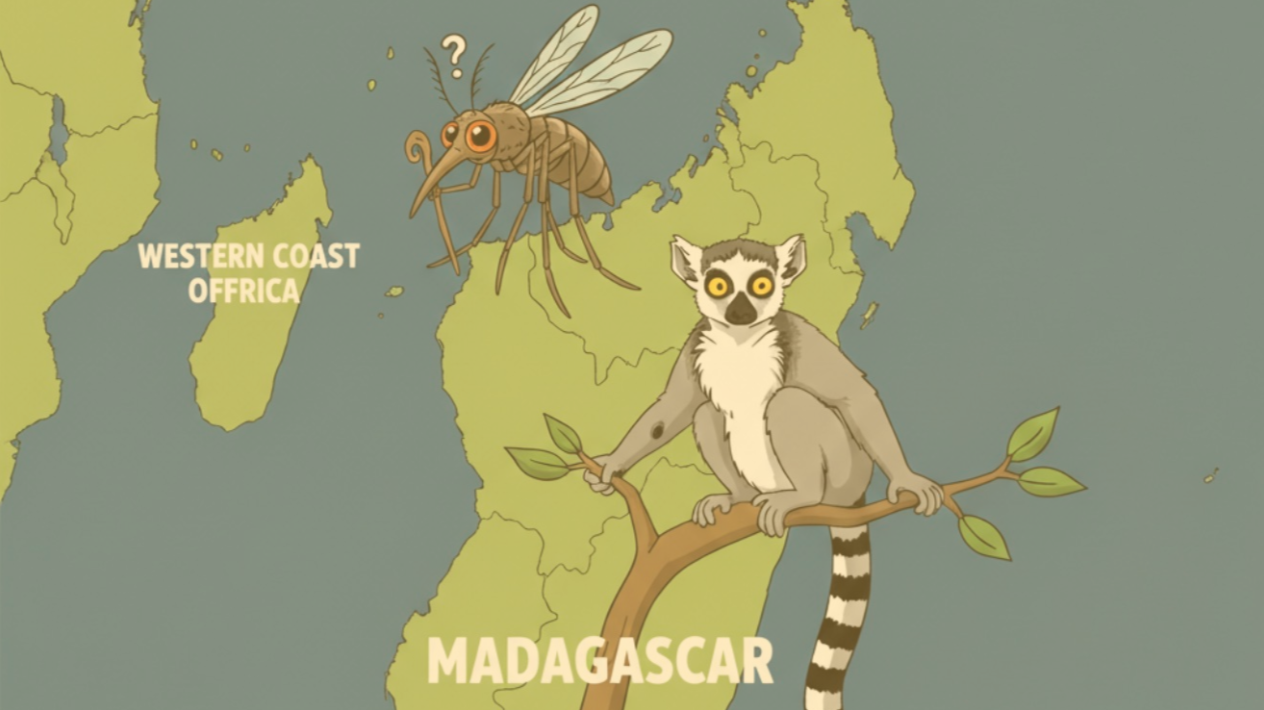
An Unforgettable Adventure in Madagascar
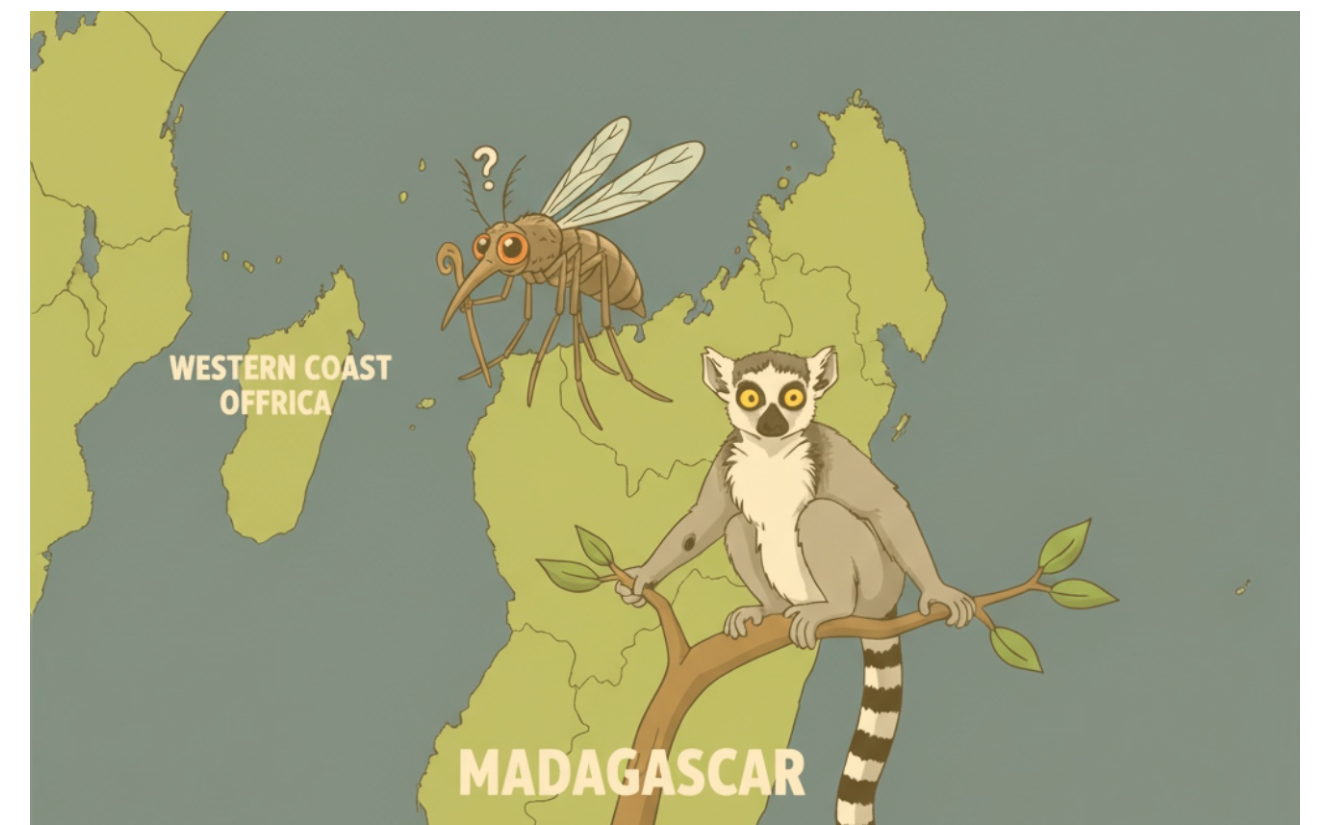
Destination: Madagascar – A Paradise for Nature Lovers
Click Here for Audio - Rhythmic Chant - Madagascar Travel Health Safety Tips
Madagascar, an island nation off the southeast coast of Africa, is renowned for its unique wildlife, stunning landscapes, and vibrant culture. As a couple eager for adventure, we planned a journey that promised both relaxation and exploration—little did we know how closely we would encounter the island’s extraordinary wildlife.
From colorful markets to unforgettable natural scenery, Madagascar quickly captured our hearts and reminded us why travel remains one of life’s greatest teachers.
Close Encounters with Lemurs
One of the highlights of our Madagascar trip was a visit to Andasibe-Mantadia National Park, home to numerous species of lemurs, including the iconic Indri. As we hiked through the lush rainforest, we encountered a group of playful lemurs moving effortlessly from branch to branch.
They were irresistibly curious, with large expressive eyes and bushy tails. We paused quietly, hoping not to disturb them, and soon enough they approached us out of curiosity—coming remarkably close to inspect their unexpected visitors.
This moment became a powerful reminder of the magic of being immersed in nature. We captured countless photos and simply stood in awe, grateful to witness these remarkable creatures in their natural habitat.
The Return Home and an Unexpected Diagnosis
Upon returning home, we were filled with fond memories of our adventure. However, just a few weeks later, my partner began experiencing unusual symptoms. It started with a skin rash on her arms and legs, followed by swelling and joint pain. What initially seemed minor soon became more concerning.
After a medical evaluation, she was diagnosed with cutaneous chikungunya, a viral illness transmitted by mosquito bites. While chikungunya is rarely life-threatening, it can significantly affect quality of life and is endemic in parts of Madagascar and other tropical regions.
This unexpected turn was both alarming and educational, reinforcing the importance of travel health awareness.
Understanding Cutaneous Chikungunya
Click Here for Audio - Rhythmic Chant - Prevent Chikungunya
(Don’t Touch the Lemurs)
Cutaneous chikungunya commonly presents with a rash that may vary in appearance and location and can persist for several weeks. Joint pain—particularly in the hands and feet—can be debilitating and, in some cases, last for months.
Although recovery is expected for most patients, symptoms can linger and interfere with daily activities. This experience served as a powerful reminder of why preventive measures are essential when traveling to regions where mosquito-borne illnesses are present.
Travel Health Lessons Learned
Our adventure in Madagascar was truly unforgettable, from its breathtaking wildlife to its rich cultural experiences. At the same time, it highlighted the importance of being proactive about health while traveling—especially in destinations where diseases such as chikungunya are known to occur.
We learned the value of:
Using insect repellent consistently
Wearing long sleeves and pants in the evenings
Taking mosquito precautions seriously
Despite the unexpected health scare, the beauty of Madagascar remains vivid in our memories. We look forward to exploring more of the world—armed with knowledge, preparation, and a deeper appreciation for preventive travel medicine.
In the end, travel is not just about the places we visit, but also about the lessons we carry home. Madagascar is a magnificent destination that deserves exploration, and with the right preparation, the adventure can remain both enriching and safe.
Medical Disclaimer
This blog is for educational purposes only and does not replace individualized medical advice. Travelers should consult a qualified healthcare provider prior to international travel.
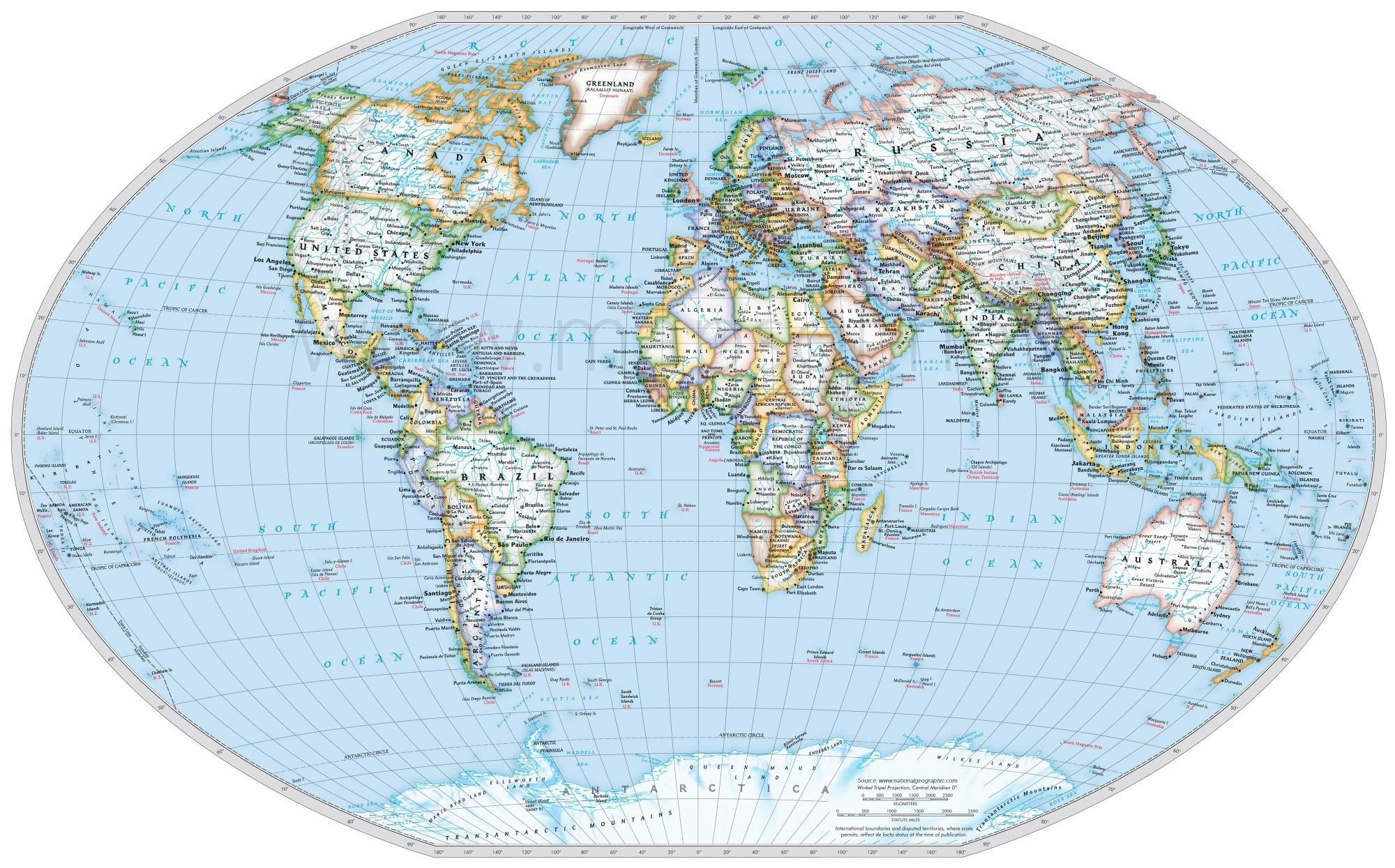
Where in the World is My Camera?
World Map

Click on the Map’s Location Pins to find out or simply select the video below. Enjoy!






Where are you thinking of traveling next — and what’s drawing you there?
I’d love to hear what’s on your travel radar or answer any health-related questions you may have before you go.
Drop a comment below.

Traveled to Yosemite National Park Recently?
Moon Bow - Yosemite National Park 1AM

The Moon Bow - Yosemite National Park
So you are back from a great vacation at Yosemite National Park in California. You had a wonderful vacation, and you stayed in these tents on the campgrounds. It’s been about 2 weeks since you came back but your 10-year-old daughter is not feeling well.
She is aching and has a low-grade fever. You tell her to rest and give her a couple of acetaminophen (Tylenol) . In spite of her treatment , she is not getting better and you continue to give her Tylenol. She now has a headache, is nauseous and starts vomiting. She is tired, wants to go to bed. Her belly hurts and does not want to eat or drink anything. She is getting weaker. Her pulse is low. You check the internet but cannot finds what she has. You think that she has a simple “cold” and that she will be getting better.
However, now she is sleepy, has trouble breathing, you decide now to take her to the emergency room, and they noticed that she has a whole bunch of small, red spots all over her skin. You notice that these spots are in her belly in the inside of her mouth and even on her eyelids. She is admitted to the hospital. She is receiving intravenous fluid as her blood pressure is dropping, and she is not going to pee. She is now transferred to the Pediatric intensive care unit and put on antibiotics.
In spite of aggressive treatment, she is getting worse. The health care provider notices that she has swollen nodes in her neck area and arm pits. They are now calling an infectious specialist who ask the surgeon to see what these lumps in her neck are all about. She is taken to the operating room and they get a sample of her node. They send it for further examination. The pathologist reports that what they see is evidence of the Hantavirus.
Unfortunately, she got worse, her lungs got filled with water and she got sicker and became unresponsive and passed away. When asked about any past travel, the parents mentioned that they were camping in Yosemite National Park in California. The doctors stipulated that most likely got contaminated from either the urine or the dust of rodents frequently found in this National Park.
Just like Gene Hackman’s Wife who recently passed away in New Mexico from the Hantavirus, although rare, this occurs when food is contaminated by mice urine or can be in the air from contaminated dust. This particular strain does not go from human to human [no human-to-human transmission] so no one else in this unfortunate family got sick or will get sick because of their daughter getting sick. However, The Andes hantavirus is a rare but highly dangerous strain of hantavirus capable of limited human-to-human transmission through close personal contact with an infected person. The Andes hantavirus is primarily found in South America.
How to avoid getting Hantavirus: keep food in closed and secured containers, make sure your habitat is free of mice. What to do if you think you came into contact with contaminated food or dusty air that may have had mice droppings: get immediate care, tell your provider that you are worried about Hantavirus. The earlier you seek treatment the better your chances of survival.

How to Choose a Destination? A Doctor’s Guide to Planning the Right Trip for You
How to choose where to travel.

Whenever I plan a new journey, I don’t just look at the photos — I think about how the trip will feel. As a physician who’s traveled across six continents, I’ve seen firsthand how your health, experience level, and personal needs can shape your travel choices. Whether you're chasing adventure or simply craving rest, the right destination isn’t just beautiful — it should support your well-being. In this guide, I’ll walk you through the same questions I ask myself and my patients when planning a meaningful, health-conscious trip.
By Dr. Jean-Claude Veille
🌍 1. Health Considerations
Before anything else, think about your current health and the medical realities of your destination.
Are your routine and travel-specific vaccines up to date?
Will you need medications for altitude, malaria, or jet lag?
Do you have a condition that requires reliable healthcare access nearby?
Are you physically prepared for the terrain or climate?
Example: Trekking in Nepal can be life-changing — but if you have asthma or cardiac issues, high-altitude regions require extra preparation.
🧭 2. Experience Level
Your comfort and confidence as a traveler matter more than you might think.
First time abroad? Consider destinations with great infrastructure — like Japan, Portugal, or Costa Rica.
Are you a seasoned traveler looking for something off the beaten path? Places like Namibia or Bhutan offer unforgettable experiences, but they require more planning and flexibility.
Nervous about language barriers, transportation, or food safety? Choose places with strong tourism support and English-speaking medical providers.
Tip: The best trip for you is the one that stretches you without overwhelming you.
🧳 3. Type of Travel
Who you're traveling with — and how you want to feel — makes a huge difference.
Are you traveling on your own, with a partner, kids, or elderly parents?
Are you exploring new adventures with a small group of friends?
Will you consult a well-established and reputable travel agency such as Gate1 Travel or other award-winning travel experts such as Audley Travel or Travel Zicasso?
Do you want connection and culture, or solitude and silence?
Will you be moving frequently, or staying in one place?
Example: A week in Tuscany might be perfect for couples or seniors, while families might thrive at an all-inclusive in Belize with built-in activities and medical access.
🗓️ 4. Timing and Season
The calendar matters more than you think.
Research seasonal health concerns: monsoons, extreme heat, wildfire smoke, or allergy triggers.
Consider how weather affects your own body — especially if you have respiratory conditions, joint pain, or immune sensitivities.
Be mindful of flu or dengue seasons in certain regions.
Tip: Sometimes shifting your trip by just one month can mean safer conditions and fewer health hassles.
🌐 5. Current Events and Entry Requirements
Global events change fast — stay current to avoid surprises.
Check CDC and WHO travel health advisories.
Research entry requirements: vaccination records, visas, or proof of insurance.
Understand local healthcare capacity in case you need support while abroad.
Reminder: The world is always changing — so even if you’ve been somewhere before, check again before you return.
✅ Final Thought from Dr. Veille:
No destination is perfect, and there’s no one-size-fits-all trip. But when you choose your next adventure with your body, mind, and lifestyle in mind — travel becomes not just enjoyable, but healing. Thoughtful travel isn’t about limiting where you go. It’s about expanding how fully you can experience it.
💬 Join the Conversation:
Where are you thinking of traveling next — and what’s drawing you there?
I’d love to hear what’s on your travel radar, or answer any health-related questions you may have before you go. Drop a comment below — or send a message through the Member Hub if you're subscribed.